Source Fan Coil Thermostat for Hotels, Offices, and Commercial Spaces
Compare 30 fan coil thermostat options from verified Chinese suppliers. Buyers can evaluate models with LCD displays, varying voltage ranges, and ceiling or wall mounting styles for hotel and commercial applications; compare the available evidence and request quotations based on your requirements.
Key considerations
Products List


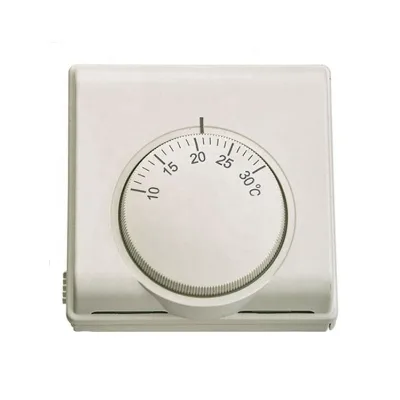


Comprehensive Sourcing Guide
Fan Coil Thermostat Sourcing Guide
Sourcing the correct fan coil thermostat requires aligning technical specifications with the specific operational needs of your HVAC infrastructure. These devices serve as the critical interface between user comfort preferences and mechanical system performance, directly influencing energy efficiency and indoor air quality. Buyers must recognize that not all thermostats are interchangeable; the selection process depends heavily on whether the system utilizes water-based heating and cooling loops or air-handling units. Understanding the distinction between basic on-off controllers and advanced programmable units is essential for optimizing building management systems.
The procurement landscape for these components is diverse, ranging from simple wall-mounted switches to sophisticated LCD-enabled controllers with custom branding options. Suppliers often offer varying degrees of customization, including logo placement and packaging modifications, which can be vital for commercial projects requiring brand consistency. However, this flexibility introduces complexity in verification. Procurement teams must carefully evaluate the supplier’s ability to maintain quality standards while accommodating specific design requests, ensuring that customization does not compromise the device’s reliability or safety certifications.
Product Scope and Observed Listing Signals
Current market listings indicate a wide variance in product attributes, suggesting a fragmented supply chain with multiple tiers of manufacturers. Observed data points to a price range of $0.39 to $183 USD, reflecting differences in material quality, electronic complexity, and certification levels. Minimum order quantities (MOQs) vary significantly, spanning from single units for testing to 500 units for bulk commercial deployment. This disparity requires buyers to clearly define their volume requirements early in the sourcing process to negotiate favorable terms and avoid unexpected surcharges for small-batch orders.
Product descriptions frequently highlight specific features such as ceiling or wall mounting options, with materials ranging from anti-flammable PC and ABS plastics to standard packaging in wooden boxes or cartons. Some listings specify models like the 34WA-G12 or WS9, indicating a need for precise model matching to ensure compatibility with existing fan coil units. Buyers should treat these observed attributes as initial signals rather than guaranteed specifications. It is crucial to verify that the listed voltage ranges, such as 110-220V or 220-240VAC, match the local electrical infrastructure to prevent installation failures or equipment damage.
Technical Specifications to Verify
Voltage compatibility is the most critical technical parameter to verify before placing any order. Listings show operating voltages ranging from 230 VAC to 220V~240VAC, with some units specifying a current rating of 2A at 50/60Hz. Mismatching the thermostat’s voltage requirements with the building’s power supply can lead to immediate failure or reduced lifespan. Buyers must confirm the exact input voltage and frequency requirements for each unit, especially when sourcing from regions with different electrical standards, such as the 110V systems common in North America versus the 220V systems in Europe and Asia.
Control functionality and display types also vary widely among available products. Some units feature simple mechanical switches, while others offer LCD displays with automatic measuring methods and precise temperature deviations of ≤1°C at 25°C. The presence of features like three-speed switches or ventilation functions adds value but requires verification of integration capabilities with the specific fan coil model. Buyers should request detailed wiring diagrams and control logic specifications to ensure the thermostat can communicate effectively with the HVAC system’s actuators and sensors, preventing operational conflicts or inefficient energy use.
Compliance and Safety Documentation
Certification requirements are non-negotiable for commercial and residential installations, ensuring that the devices meet regional safety and environmental standards. Common certifications observed in the market include RoHS, CE, UL, and CCC, each indicating compliance with specific regulatory frameworks. RoHS compliance ensures the absence of hazardous substances, which is increasingly important for sustainable procurement. CE marking is essential for products sold in the European Economic Area, while UL certification is often required for North American markets. Buyers must verify that the certificates provided are valid and issued by recognized testing bodies, not self-declared claims.
Beyond electrical safety, documentation should include evidence of corrosion durability and material safety. Products claiming ultrahigh corrosion durability and the use of anti-flammable PC + ABS materials offer enhanced longevity and safety, particularly in humid environments like hotels or spas. Buyers should request material safety data sheets (MSDSDs) and test reports that substantiate these claims. Additionally, verifying the production origin, such as Ningbo or general China manufacturing, can help assess the supply chain’s reliability and the manufacturer’s adherence to international quality management standards like ISO9001.
Cost Drivers and Commercial Terms
The final cost of a fan coil thermostat is influenced by several factors, including the complexity of the electronic components, the quality of the housing materials, and the level of customization required. Basic models with simple LCD displays and standard packaging are typically more cost-effective, while units with advanced features, custom branding, or specialized mounting options command higher prices. Buyers should analyze the total cost of ownership, considering not just the unit price but also the potential savings from improved energy efficiency and reduced maintenance costs over the product’s 5-10 year lifetime.
Commercial terms such as production periods and packaging methods also impact the overall procurement strategy. Standard production periods of within 30 days allow for reasonable lead time planning, but custom orders may require additional time. Packaging choices, from simple cartons to protective wooden boxes, affect shipping costs and the risk of damage during transit. Buyers should negotiate clear terms regarding warranty periods, return policies for defective units, and responsibilities for customs clearance, especially when importing from international suppliers to avoid unexpected logistical expenses.
Supplier Qualification and Quality Control
Evaluating supplier qualifications is essential to ensure consistent product quality and reliable after-sales support. Buyers should prioritize suppliers who demonstrate a strong track record in manufacturing HVAC components and who possess relevant industry certifications. Requesting references from previous clients, particularly those in similar sectors like hotels or commercial buildings, can provide insights into the supplier’s reliability and product performance in real-world applications. Additionally, verifying the supplier’s capacity to handle custom orders without compromising quality is crucial for projects requiring specific branding or design elements.
Quality control processes should be clearly defined and agreed upon before production begins. Buyers should inquire about the supplier’s inspection protocols, including incoming material checks, in-process quality control, and final random inspections. Requesting pre-shipment samples for testing and validation is a best practice to ensure that the delivered products meet the specified technical and aesthetic requirements. Establishing a clear communication channel for addressing quality issues and defining the process for handling non-conforming products will help mitigate risks and maintain project timelines.
Long-Term Procurement Checks
Establishing a long-term procurement strategy involves regular performance reviews and continuous improvement initiatives. Buyers should monitor the performance of the installed thermostats, tracking metrics such as failure rates, energy savings, and user satisfaction. This data can inform future purchasing decisions and help identify potential issues with specific models or suppliers. Regularly updating the supplier’s performance scorecard based on quality, delivery, and service metrics ensures that the procurement team maintains leverage and encourages suppliers to uphold high standards.
Sustainability and regulatory changes also require ongoing attention. As environmental regulations evolve, buyers must ensure that their suppliers remain compliant with new standards, such as updated RoHS directives or energy efficiency requirements. Building a relationship with suppliers who are proactive about innovation and compliance can provide a competitive advantage. Additionally, exploring opportunities for bulk purchasing or long-term contracts can secure better pricing and priority production slots, ensuring a stable supply of high-quality fan coil thermostats for future projects.
FAQs
What certifications are available for fan coil thermostats?
Available certifications include RoHS, UL, CE, CCC, and ISO9001. These ensure compliance with international safety and environmental standards. Buyers should verify specific certificates for their target market to guarantee regulatory acceptance and product reliability in commercial or residential installations.
Can fan coil thermostats be customized for specific projects?
Yes, customization is available for many models. Buyers can request tailored specifications to meet unique project requirements. This flexibility allows for precise integration into diverse HVAC systems, ensuring optimal performance and compatibility with existing infrastructure across various application fields.
What is the typical operating voltage for these units?
Operating voltages typically range from 110V to 240V AC, with common specifications at 220V or 230V. Some models support 50/60Hz frequencies. This wide voltage compatibility ensures reliable operation in different regional power grids without requiring additional transformers or converters.
How long is the expected lifetime of a fan coil thermostat?
The expected lifetime is generally between 5 to 10 years. This durability depends on proper installation and maintenance. High-quality materials like anti-flammable PC and ABS contribute to longevity, ensuring consistent performance and reducing the need for frequent replacements in commercial settings.
Which mounting options are supported for fan coil thermostats?
Common mounting options include wall-mounted and ceiling-mount configurations. Wall-mounted units are ideal for easy access and visibility, while ceiling mounts suit specific architectural designs. Selecting the right mounting style ensures seamless integration into the building's interior design and functional layout.
What packaging methods are used for shipping these products?
Products are typically packed in wooden boxes or cartons. Wooden boxes offer robust protection for heavier or fragile units, while cartons are suitable for lighter items. Proper packaging ensures safe transit and minimizes the risk of damage during international shipping and handling.